




The Art and Craft of Bronze Dye Pasta and Natural Colored Pasta produced by Pastificio Leo
A Journey into Natural Colored Pasta Productions In the world of gourmet foods, few things spark culinary creativity like bronze dye pasta. This unique approach to handmade pasta production elevates the traditional dining experience, showcasing vibrant colors derived entirely from natural ingredients. For food buyers looking to diversify their offerings, understanding this artisanal process can unlock new possibilities and appeal to health-conscious consumers.
What is Bronze Dye Pasta?
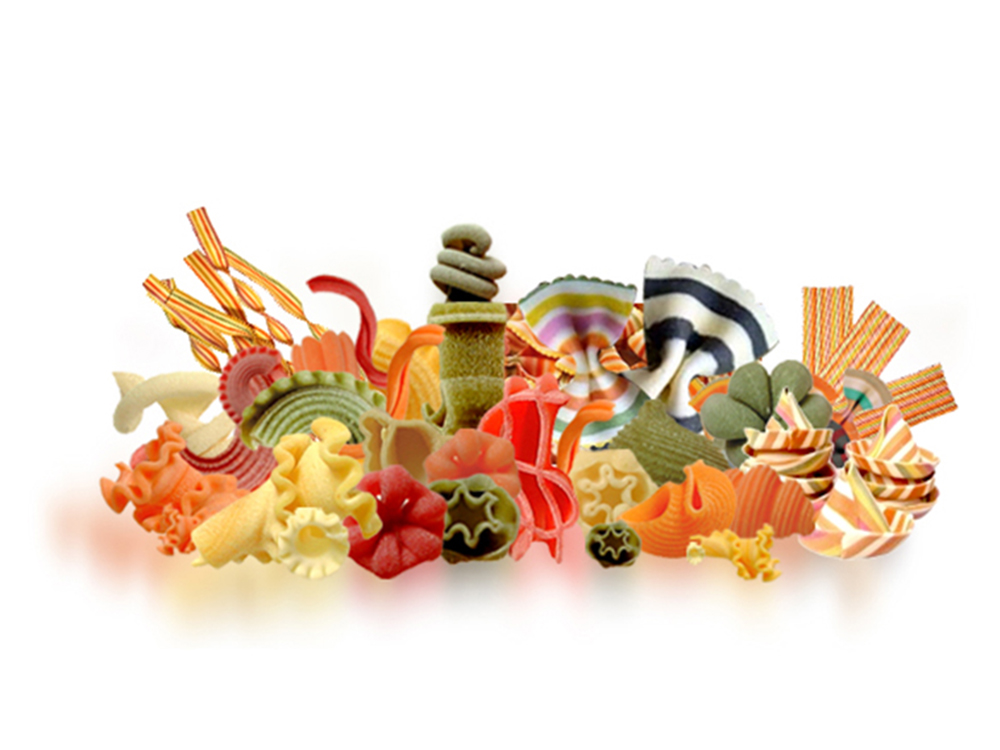
Bronze dye pasta is distinguished not just by its texture and flavor but also by the craftsmanship involved in its creation. Using bronze dies gives pasta a rough surface that promotes better sauce adhesion, enhancing the overall dining experience. However, the true artistry lies in the coloring process. Instead of relying on artificial colorings, bronze dye pasta utilizes natural ingredients such as beetroot for red hues, spinach for greens, and turmeric for yellow tones. This method not only boasts a more appealing appearance but also emphasizes quality and health benefits, making it an attractive choice for discerning food buyers.
The Benefits of Natural colored pasta:
Consumers today are becoming increasingly conscious of the ingredients in their food. The shift towards natural foods means that pasta producers must adapt and innovate. Natural colored handmade pasta offers several advantages:
Health Consciousness
By using fruits and vegetables for coloring, these products provide additional nutrients typically absent in traditional pasta. This aligns well with the growing trend toward healthy eating, making it an easy sell to health-focused retailers.
Unique Selling Proposition
The vibrant colors can create a visually stunning dish that stands out in a crowded market. For food buyers, this unique selling point can enhance product lines and attract a wider customer base.
Sustainability
Natural ingredients often come from sustainable sources, thus appealing to environmentally-conscious consumers. This can significantly boost the brand’s image and loyalty among eco-aware shoppers.
The Production Process
The process of creating our Tri Color Bowties Pasta is both meticulous and artistic. It begins with selecting high-quality durum wheat semolina and carefully chosen natural colorants. Here’s a step-by-step overview:
Ingredient Selection
The first step involves sourcing the best durum wheat and the freshest vegetables or plants for color. This choice greatly influences the taste and nutritional profile of the pasta.
Dough Preparation
The wheat semolina is mixed with water and the chosen colorants to create the dough. The proportions can vary depending on the desired hues and flavors.
This process is slow but results in superior quality.
Drying
Finally, the pasta is dried at low temperatures to preserve the colors and flavors while maintaining its nutritional integrity.
Pastificio Leo’s experience spans 16 years, built on attention to detail, quality, and vibrant colors in pasta formats.
They infuse their pasta with the authentic flavors of their land, continuously creating new shapes and adapting tastes to meet diverse palates.
The company is organic certified, reflecting a commitment to natural and high-quality ingredients.
Pastificio Leo pioneered multicolored pasta, sharing a passion for their products with customers and employees.
FAQs
What ingredients do you use in your pasta?
Is your pasta organic or certified?
How is your pasta different from regular industrial pasta?
Do you offer multicolored or specialty pasta shapes?
How should I cook Pastificio Leo pasta for best results?
How should I store your pasta?
Who is Pastificio Leo?
Copyright © 2025. All rights reserved.